Our Research focuses on 3 main areas of investigation:
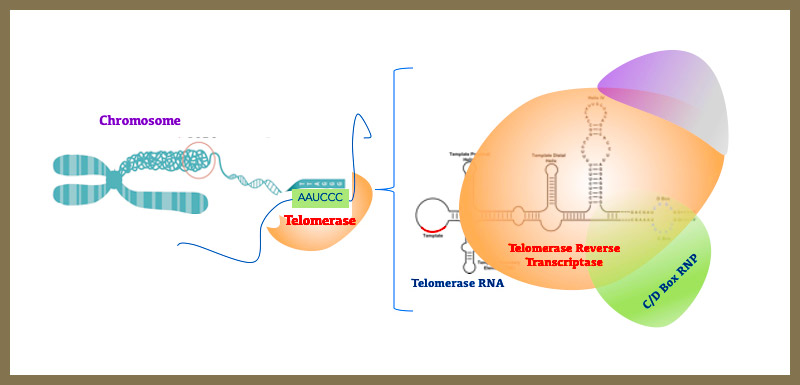
1. Telomerase RNA-protein interactions in unicellular parasites
Telomerase is an enzyme of a large RNA-protein complex responsible for synthesizing telomeres, the physical ends of linear chromosomes. Telomerase activity is critical for cell proliferation and genome integrity. Multicellular organisms, including humans tightly regulate expression of telomerase in somatic cells because activation of telomerase in excess can lead to deadly diseases such as cancer. In contrast, unicellular parasites causing deadly human diseases such as Malaria and Trypanosomiasis require constant telomerase activity for rapid proliferation in human hosts. However, how RNA-protein molecular interactions in telomerase contributes to telomere length regulation and proliferation these pathogens is currently unknown. We are using high-throughput RNA-structure probing, RNA biochemistry and molecular biology to understand the in-cell structure and function of telomerase in Trypanosoma brucei.
Collaborators: Dr. Bibo Li (Cleveland State University), Dr. Alain Laederach (UNC Chapel Hill) and Dr. Andrew Truman (UNC Charlotte)
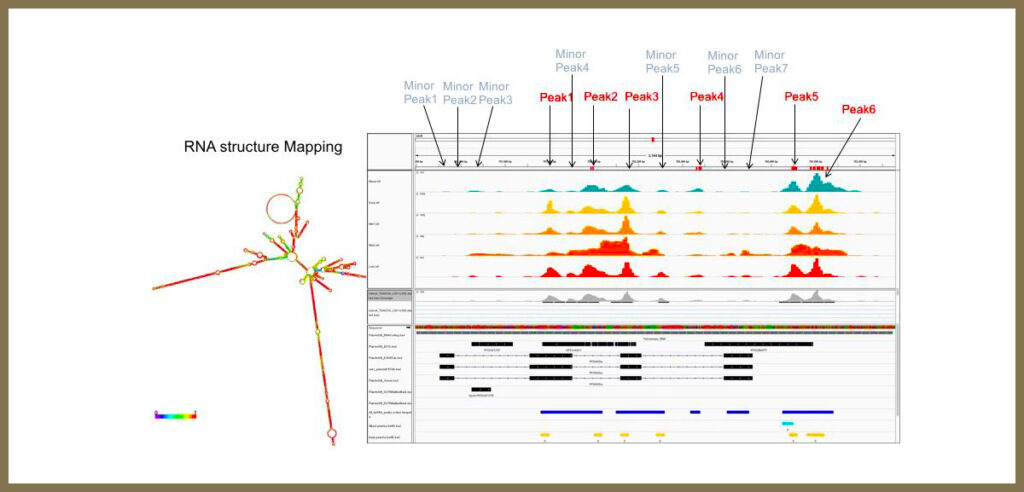
3. RNA secondary structures, m6A modifications and translational regulation
The extent to which RNA secondary structures and intrinsic modifications affect translation efficiency at the genome-wide scale and corresponding mechanisms remain unclear in parasitic protists. Additionally, the dynamic interplay of mRNA structures and the translation machinery can affect translation rates and thus, can govern disease processes in the cells. For this purpose, Chakrabarti Lab investigates RNA folding at the genome-wide level that are critical in pathogen biology and host-pathogen interactions in human diseases. Our long-term goal is to target such processes for therapeutic interventions.
Collaborator: Dr. Kate Meyer (Duke University), Dr. Sarath Chandra Janga (Indiana Univ-Purdue University, IN).
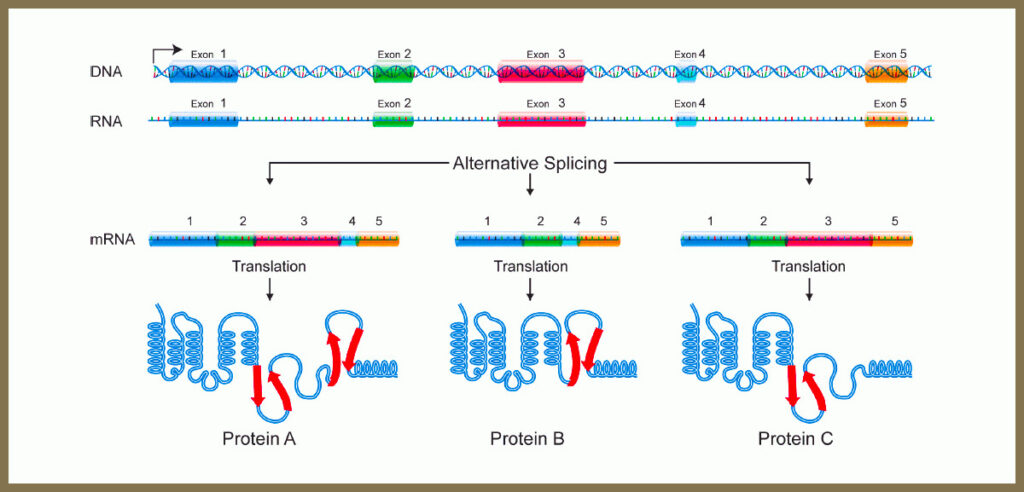
2. Mechanisms of Pre-mRNA processing
When the DNA is transcribed, precursors of messenger RNA, called pre-mRNA, are produced containing both introns and exons. The pre-mRNA molecule goes through a modification process in the nucleus called splicing during which the noncoding introns are excised and only the coding exons remain. Similarly, Cleavage and polyadenylation (pA) is another fundamental step that is required for the maturation of primary protein encoding transcripts into functional mRNAs that can be exported from the nucleus and translated in the cytoplasm. Chakrabarti Lab is interested in studying the unique properties of RNA binding proteins that are involved in pre-mRNA splicing and polyadenylation regulatory pathways in parasites.
Collaborator: Dr. Arthur Hunt (University of Kentucky).